



Africa will have a record 10 representatives at the 2026 FIFA World Cup. Senegal, Morocco, Ghana, Ivory Coast and Egypt were featured in Part One of this series.
In Part Two, Africa Interviews focuses on Algeria, Tunisia, DR Congo, South Africa and Cape Verde.
Algeria: Talented, Inconsistent, Can They Finally Break Through?
Algeria return to the World Cup for a fifth appearance hoping to improve on their best finish of reaching the Round of 16 in 2014. The Desert Foxes qualified comfortably, finishing seven points clear at the top of their group after winning eight of 10 matches.
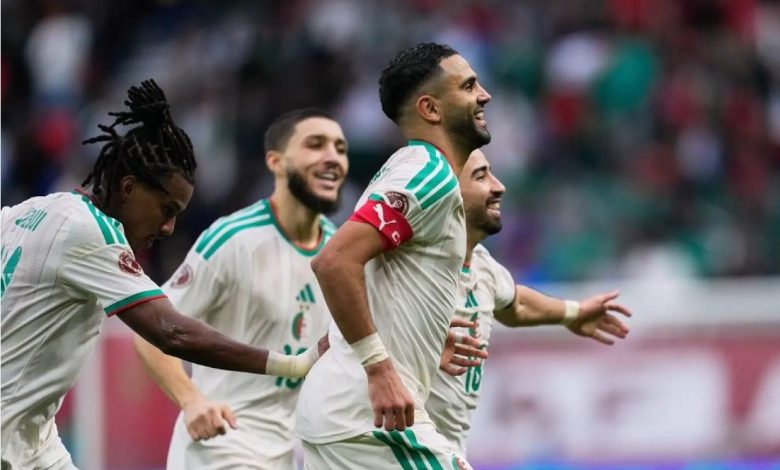
Coach Vladimir Petkovic has built a side that combines experience and youth. Veteran captain Riyad Mahrez remains the team’s biggest name, but much attention will also be on Mohamed Amoura and highly rated playmaker Ibrahim Maza.
Algeria’s strength lies in attack. They possess pace, creativity and multiple goal-scoring options capable of troubling any defence. Questions remain over their defensive consistency and goalkeeping depth, particularly after keeping just one clean sheet across their last 13 World Cup matches. Still, Algeria arrive with confidence and enough attacking quality to challenge for a place in the knockout rounds.
South Africa: Back on the Biggest Stage
South Africa are returning to the World Cup for the first time since hosting the tournament in 2010 and will be eager to show how much they have improved. Bafana Bafana secured qualification at the expense of Nigeria and enter the tournament with renewed belief under their veteran Belgian coach Hugo Broos.
The team is built around a disciplined defensive structure, hardworking midfielders and the leadership of captain Ronwen Williams, one of Africa’s most respected goalkeepers. Midfielder Teboho Mokoena remains central to South Africa’s hopes, while Burnley forward Lyle Foster is expected to lead the attack.
The challenge for South Africa will be maintaining consistency against stronger opposition. They have often looked organised and competitive, but converting promising performances into results remains a key test. A place in the knockout rounds would represent South Africa’s best-ever World Cup achievement.
Tunisia: Discipline and Defensive Organisation
Tunisia are appearing at their seventh FIFA World Cup and remain one of Africa’s most experienced teams on the global stage. The Eagles of Carthage produced one of the most impressive qualifying campaigns on the continent, finishing unbeaten and conceding no goals throughout.
Sabri Lamouchi inherited a side known for defensive organisation and tactical discipline and will look to impose that structure on the world stage. Midfielder Ellyes Skhiri, playmaker Hannibal Mejbri and experienced defender Ali Abdi are expected to play key roles.
Tunisia’s biggest challenge is creating enough chances in attack. While they are difficult to break down, goals have often been hard to come by against stronger opponents. The North Africans have never progressed beyond the group stage, but their experience and structure make them difficult opponents for any team.
DR Congo: Back After 52 Years
The Democratic Republic of Congo ended Nigeria’s hopes of returning to the World Cup, beating the Super Eagles 4-3 on penalties in a tense playoff in Rabat after the match finished 1-1 following 120 minutes. Now, the Leopards are returning to the World Cup for the first time since 1974, when they competed as Zaire.
Coach Sébastien Desabre has transformed a team that was struggling only a few years ago, guiding them to the semi-finals of AFCON 2023 and now back onto the world stage. Defensive organisation has become the foundation of their success, with eight clean sheets recorded during qualification.
Captain Chancel Mbemba remains a key leader, while striker Cédric Bakambu and midfielder Noah Sadiki provide quality at both ends of the pitch. The question facing DR Congo is whether they can replicate their impressive African form against some of the world’s strongest nations. Yet after more than five decades away from the World Cup, qualification alone represents a major achievement.
Cape Verde: Tiny Island with Big Dreams
Cape Verde will make history in 2026 by appearing at the FIFA World Cup for the first time. The island nation of just over half a million people completed a remarkable qualification campaign, finishing ahead of five-time African champions Cameroon to secure a place at the finals.
Coach Bubista has built a well-organised team that relies on discipline, quick transitions and strong team spirit. Forward Dailon Livramento, midfielder Jamiro Monteiro and defender Logan Costa are among the players expected to carry the country’s hopes.
Cape Verde may lack the squad depth of their rivals, but their organisation and togetherness have become their biggest strengths. The Blue Sharks have consistently exceeded expectations in recent years and will hope to become the latest African debutants to make a mark at the FIFA World Cup.
A Continent Hopes
With its largest-ever contingent of 10 teams, Africa heads to FIFA World Cup 2026 with genuine expectation From Morocco’s pursuit of another memorable run into the knockout stages to Cape Verde’s historic debut, hope rises for a continent on football’s biggest stage.