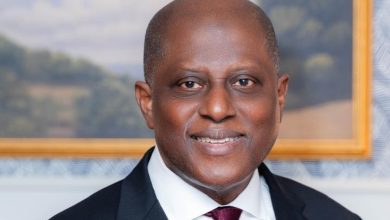


Building Businesses that Drive Sustainable Development – Lamé Verre on ESG and African Realities
Beyond Compliance: Making ESG Work for African Realities - Keynote address by Lamé Verre, Co-founder and Co-chair of Lean in Equity and Sustainability, at the Africa Interviews Sustainability Forum 2.0,on September 16, 2025, in Lagos, Nigeria

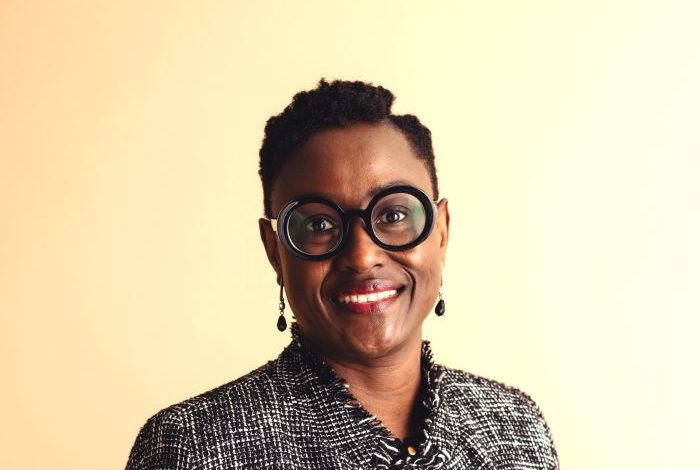
Good morning, ladies and Gentlemen!
It is an honour to be here today, among so many visionaries and changemakers. To discuss a theme that is not only timely but also crucial for the future of our country and continent.
In the global discourse on Environmental, Social, and Governance (ESG), Africa often finds itself at crossroads. But the truth is, Africa does not need to learn about sustainability and governance from a textbook. We live it. We have always had a deep, intrinsic understanding of our relationship with the land and with our communities.
For far too long, ESG has been a conversation dominated by frameworks from the Global North. Often viewed as a box-ticking exercise. Often reduced to a hoop to jump through, for foreign investors or to meet reporting standards. Let me ask you – when was the last time your ESG strategy was shaped by a community elder, a youth entrepreneur, or a local farmer? We have been told to copy and paste models that do not quite fit our unique context.
Africa is not a monolith. It is 54 countries. Over 1.4 billion people. And a tapestry of cultures, languages, ecosystems, and economies. Our complexity and multiplicity therefore demand ESG frameworks that are as nuanced as we are. We are rich in Resources, Culture, and Potential. But we are also facing unique challenges. Therefore, we require tailored solutions through the ESG lens.
So, let’s break it down:
Environment (The E) is not just about Carbon Credits. It is about Climate-Justice. It is about building businesses that are resilient to drought, to flooding, and to shifting weather patterns. It is about being a steward of our continent’s incredible, irreplaceable biodiversity and securing access to clean cooking, clean water and clean air for our communities.
Africa holds 60% of the world’s best solar resources. Yet in 2024, we received just 2% of global clean energy investments.
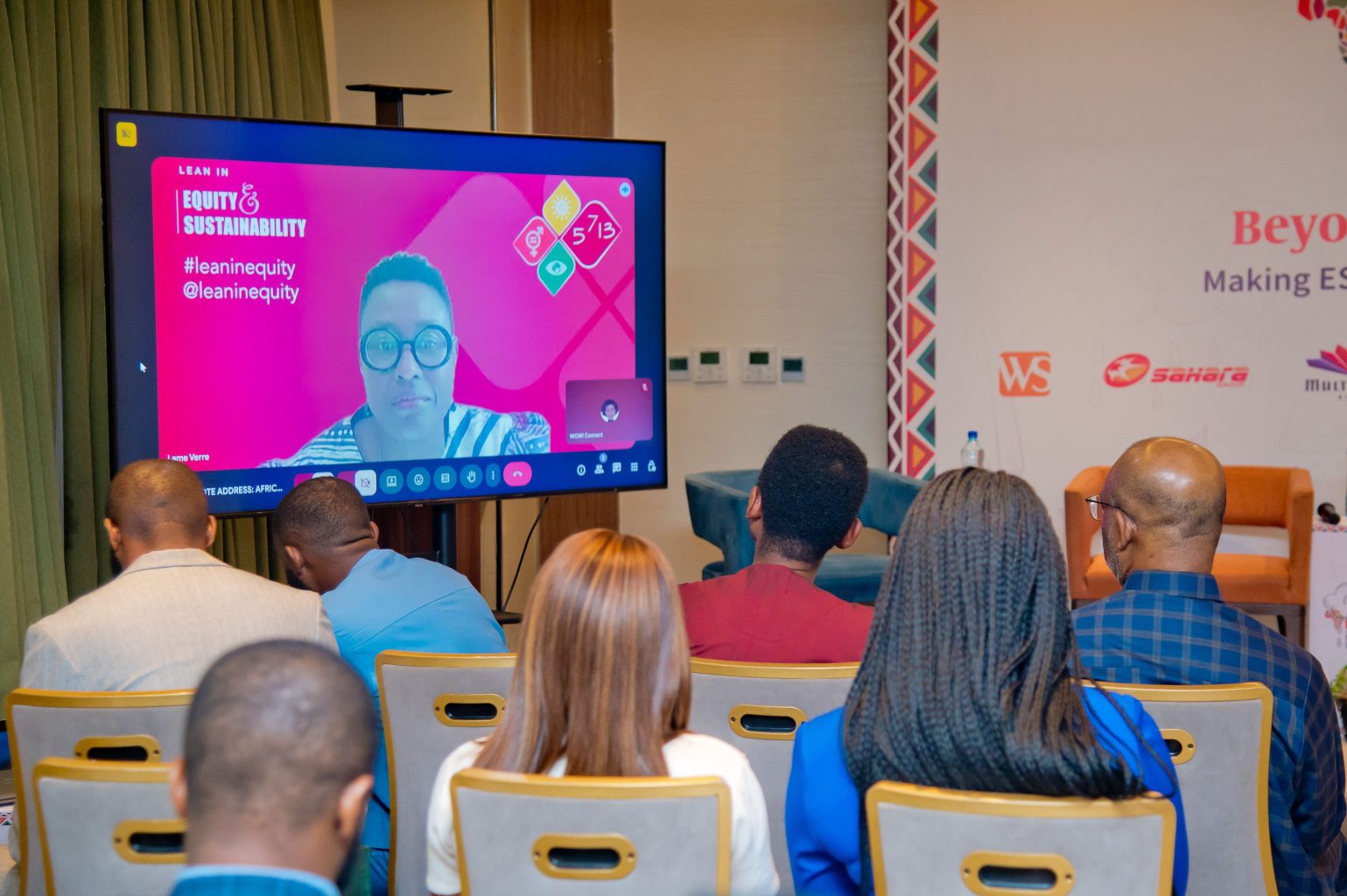
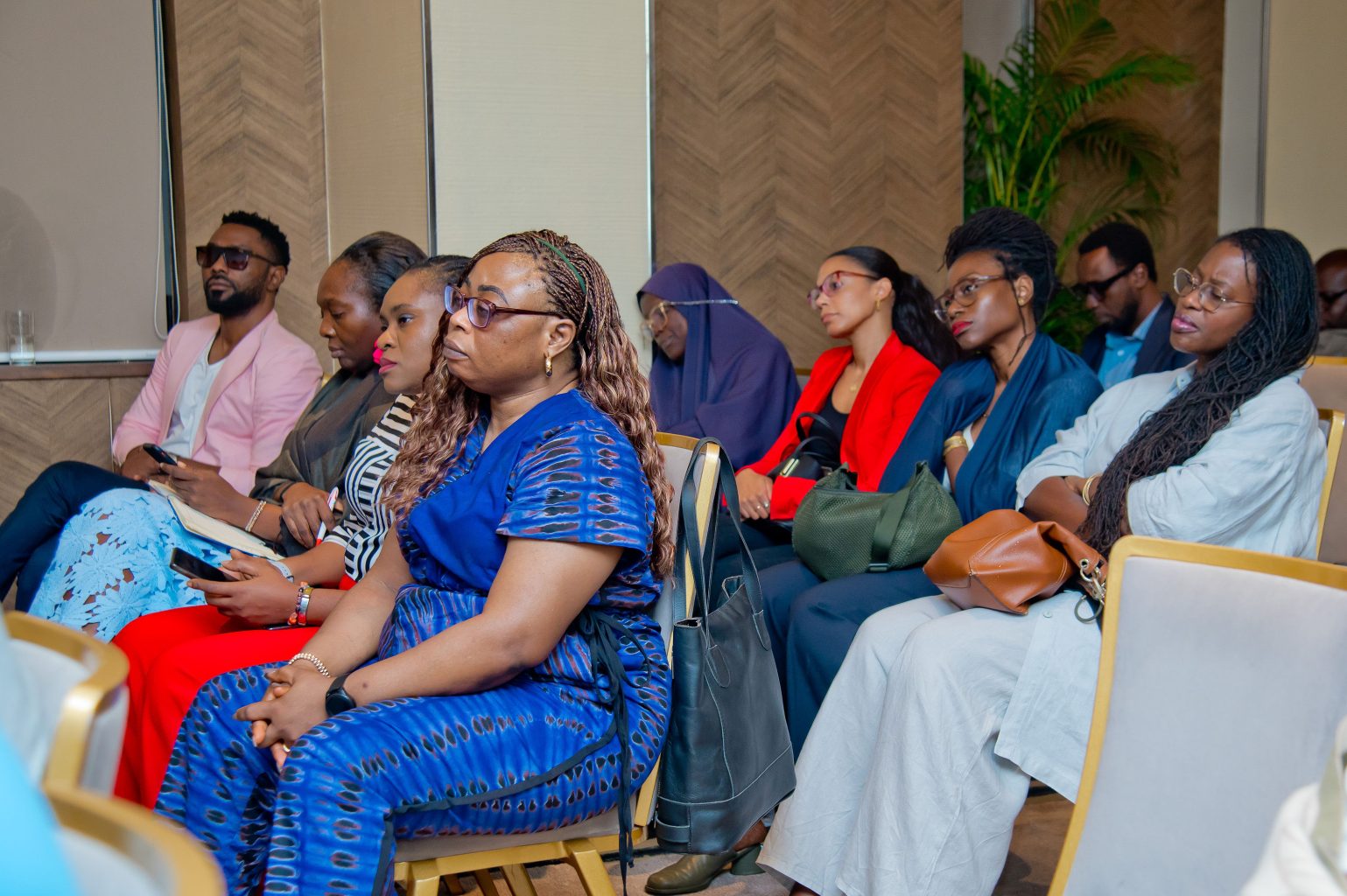
Social (The S) – This is the beating heart of the African ESG story. It is not just about diversity policy – It is about genuine equity. It is about creating Jobs for our Youths, Empowering Women, and Building Businesses that lift-up entire communities. It is about fair wages, skills development, and ensuring that our growth is inclusive. Leaving no one behind.
Africa has the youngest population in the world, with about 70% of sub-Saharan Africa under the age of 30. But equity alone is not enough — it must be underpinned by systems that ensure fairness and accountability.
Governance (The G) – This is the foundation. It is the framework that allows all of this to flourish. It is about transparency, accountability, and the relentless fight against corruption. Strong governance builds trust, unlocks investment, and ensures that the wealth we create is distributed fairly. Studies show that corporate governance significantly improves ESG disclosure in Sub-Saharan Africa, especially with diverse and independent boards.
How do we make this work?
Firstly, we must acknowledge that the traditional ESG frameworks, while well-intentioned, often do not fully capture the complexities of African realities. Our environmental challenges are distinct. From the desertification in the Sahel region, to the deforestation in the Congo Basin, to flooding in the riverine communities. The challenges are as eclectic as the diversity of the continent. Our social dynamics are diverse, and influenced by a richness of Cultures, Languages, and Histories. Our governance structures, though evolving, are shaped by a myriad of political and socio-economic factors.
The solutions will not be found in a report written in New York, London or Paris. They will be found in a village meeting in rural Nigeria, a community centre in Johannesburg, or a small business hub in Nairobi. Therefore, it is even more pertinent that we develop ESG strategies that are deeply rooted in our local contexts before being compliant with global standards and best practices.
Secondly, we must leverage Technology and Innovation to address these unique challenges. From mobile banking and fintech solutions that promote financial inclusion, to renewable energy projects powering remote areas, and sustainable agricultural practices that keep food on the table. Africa has the potential to leapfrog traditional development pathways. And, by integrating ESG principles into these innovations, we can create solutions that are Sustainable, Scalable and Resilient.
Recently, I spoke at the Nigeria Association of Petroleum Explorationists (NAPE), on amplifying the “E” in ESG, and the role of the oil and gas sector in the Energy Transition. Together, we explored environmental responsibility, adjacent technologies, and new business models that can benefit the Nigeria’s oil and gas sector in today’s world.
Thirdly, let us not forget the importance of leadership and accountability. As African leaders, whether in government, business, or civil society, we have a responsibility to set the tone and lead by example. This means not only adhering to our ESG standards but also being transparent about our progress and challenges. It is through this transparency and accountability that we can build trust and drive meaningful change. The future of African businesses is not just about competing on a global stage; it is about leading with purpose, with an ESG framework that is authentically our own.
This is a call to action: Building businesses that are not just compliant, but fundamentally good; but capable of driving sustainable development and equitable growth. Our continent is uniquely positioned to lead the world in developing solutions that are both Profitable and profoundly benefits People and Planet. Let me be clear: this is not about rejecting global ESG norms. As the African proverb reminds us: “Wisdom is like a baobab tree; no one individual can embrace it.”
Let us embrace ESG collectively, across sectors, generations, and geographies. Let us build a future that is inclusive, resilient, and authentically African. Let us build African ESG frameworks that are “born of the soil and not borrowed from abroad. Let us ensure that ESG is not a burden, but our bridge to inclusive growth, climate justice, and a shared prosperity.
Lastly, ladies and gentlemen, let us ensure that ESG in Africa acts as a compass, not a checklist.
Thank You.