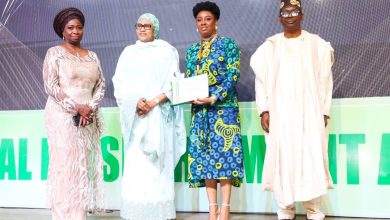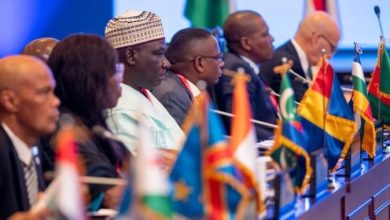



For two days earlier this week, Eko Hotels & Suites, Lagos played host to the Africa Legacy Summit 2026, bringing together policymakers, diplomats, tourism executives, creatives, students and investors, with a common goal: making tourism, hospitality and culture central to Africa’s economic future.
The summit, organised to commemorate Eko Hotels’ 50th anniversary, attracted delegates from across Africa and the Caribbean under the theme “Reimagining the Future of Culture in African Hospitality, Tourism and Travel.” It covered African identity, tourism infrastructure, cultural influence and economic diversification.
One idea ran through the cultural performances, panel discussions and keynote speeches: that Africa’s culture is not ornamental, but economic infrastructure
Director of Sales and Marketing at Eko Hotels, Iyadunni Gbadebo, set the tone in her opening remarks, describing the gathering as “not just another conference for basic ideas, but an event where history will take attendance.” For Gbadebo, the summit represented more than a celebration of longevity. It also helped to reposition tourism as a serious economic sector capable of driving investment, infrastructure and youth employment across the continent.
Lagos State Governor Babajide Sanwo-Olu echoed this in his opening address, describing the anniversary as “not just the anniversary of a hotel, but 50 years of Lagos welcoming the world.” He highlighted Lagos as home to Nollywood, Africa’s creative economy and one of the continent’s leading fintech ecosystems.
“Tourism is not a soft structure,” the governor said. “It’s a hard economy that creates job opportunities that cannot be exported.”
Opened in 1976, Eko Hotels has grown into one of Nigeria’s most recognisable hospitality institutions, hosting political summits, concerts, diplomatic events, international conferences and entertainment showcases across five decades. The hotel’s longevity was a recurring reference point for several speakers who cited it as proof that African-owned institutions can scale and endure.
Eko Hotels stands at the forefront of that effort — five decades of building a legacy that Africa is now trying to articulate to the world and clearing a path for future generations to establish the continent as a destination to reckon with in global hospitality, travel and tourism.
Chairman of the board of Eko Hotels, Christopher Chagoury, said as much. “We are not gathered here merely for a conference,” he said. “We are gathered to challenge an idea — the idea that culture is ornamental rather than foundational.”
Chagoury argued that Africa’s edge is authenticity, not imitation. Music, cuisine, fashion, festivals and storytelling, he said, are capable of shaping economies and repositioning nations globally.
“The world is exhausted by imitation,” he said. “What people seek now is authenticity, identity, meaning, connection — and Africa remains one of the richest reservoirs of all of these.”

The summit also highlighted persistent structural challenges holding back the growth of tourism across Africa. Speakers pointed to weak infrastructure, restrictive visa systems, fragmented destination branding and security concerns as barriers to a larger share of global tourist arrivals.
General Manager of Eko Hotels, Danny Kioupoureglou, said Africa must become more deliberate about branding itself to the world. “Nigeria is globally famous, but it is not globally packaged as a tourist destination,” he said.
Drawing comparisons with Greece, Thailand and Dubai, Kioupoureglou called for stronger coordination in marketing African music, fashion, festivals, hospitality and business opportunities under a unified tourism identity. “This identity must remain consistent,” he added. “We cannot tell one story at ITB Berlin and another story at WTM.”
It was a theme that ran through both days of the summit: that perception shapes tourism long before investment arrives.
Ambassador Wallace Williams put it simply: “Long before investors arrive, culture arrives.” He urged African countries to rethink culture as diplomacy, influence and economic strategy.
The summit also focused on youth participation and innovation. Students and young entrepreneurs occupied visible sections of the hall, while mentorship sessions and innovation challenges put younger Africans at the centre of the future of tourism and hospitality. The Legacy Visionary Challenge showcased digital tourism concepts from young innovators, including QR-powered tourism catalogues, immersive tourism platforms and accessibility-focused travel experiences.
Global tourism strategist and Chief Executive Officer of Fura Collective, Stella Fubara, urged African countries to become more intentional about tourism development, arguing that successful destinations are built through deliberate storytelling, infrastructure and coordinated branding.
By the close of the summit, the conversation had moved beyond anniversary celebrations into wider discussions around identity, sustainability, youth leadership and African self-definition. For Eko Hotels, the golden jubilee was not simply a celebration of 50 years, it was confirmation that an African institution, built on African soil, had grown into a landmark of global hospitality. That, more than any speech or panel, was the summit’s most enduring statement.