

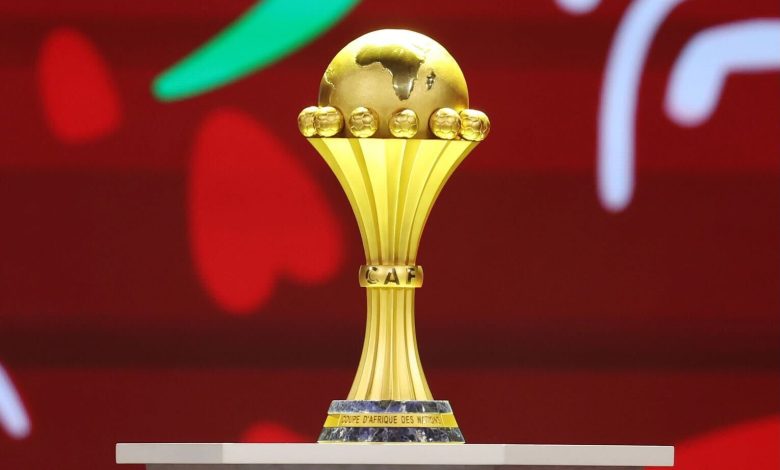
African football is set for a historic reset as the Africa Cup of Nations (AFCON) will move from its long-standing biennial format to a four-year cycle starting in 2028.
The decision, announced by the Confederation of African Football (CAF), is aimed at easing calendar congestion, aligning Africa’s flagship competition with global football rhythms, and repositioning the tournament for long-term commercial and sporting growth.
In the same vein, CAF confirmed a major financial incentive for participating nations, unveiling a significant increase in prize money for this year’s AFCON, Morocco 2025, which kicks off today (December 21). The tournament winner will now receive $10 million, a 43% increase from the $7 million earned by Côte d’Ivoire at the 2023 edition.
Break from the past
AFCON has been staged every two years since 1968, becoming one of world football’s most watched continental tournaments. However, its frequent clashes with the European club season have long generated tension, with clubs reluctant to release players mid-season and African stars often caught in the middle.
CAF President Patrice Motsepe said the decision to adopt a four-year cycle was rooted in strategic realism and continental interest.
“We have the most exciting new structure for African football,” Motsepe said. “I do what is in the interests of Africa. The global calendar has to be significantly more synchronised and harmonised.”
Under the new framework, AFCON will be held every four years after the 2027 edition in East Africa, with a 2028 tournament acting as a transition phase before the quadrennial cycle fully takes effect. From that point onward, AFCON will be staged in the same years as the UEFA European Championship, a move expected to improve global scheduling harmony and enhance broadcast and commercial value.
Motsepe confirmed that the decision was taken in consultation with FIFA President Gianni Infantino and FIFA General Secretary Mattias Grafström.
“We have to compromise,” Motsepe said, noting that African football must operate within an increasingly crowded international calendar while protecting its long-term interests.
Record prize money, new ambition
Alongside calendar reform, CAF has significantly raised the financial stakes of its flagship tournament. The USD 10 million prize for the Morocco 2025 champions represents a doubling of winner earnings over four years – up from $5 million in Cameroon 2021 to $7 million in Côte d’Ivoire 2023.
Runners-up at AFCON 2025 will earn $4 million, while the two losing semi-finalists will receive $2.5 million each. CAF says the increase is part of a broader strategy to reinvest in football development, strengthen national federations, and reward excellence on the continental stage.
African Nations League: continental football every year
To address concerns that a four-year AFCON cycle could reduce competitive frequency and revenue, CAF announced the creation of an African Nations League, set to begin in 2029. The annual competition will involve all 54 CAF member associations, divided into four zones: North Africa (six teams) and East, West/Central, and Southern Africa (16 teams each).
Matches will be played in September and October, with zonal champions advancing to a November finals phase to determine an overall winner. Motsepe described the initiative as transformational for the continent.
“Every year in Africa, the best African players who play in Europe will be with us on the continent. Every year we will have a competition with 54 African nations with all the best players coming here to play. We are going to have a world-class competition every year,” he said.
According to CAF, the Nations League will be organised in partnership with FIFA, with the goal of attracting top-tier sponsors and delivering consistent, high-quality international football annually.